Pet Hair in the Washing Machine: Why It Transfers to Everything
Quick Answer: Washing does not remove pet hair - it redistributes it. Hair released from one garment circulates in the water and re-deposits on everything else in the drum, and synthetic fabrics attract it most because of static and fibre structure. The fix is removing hair before the wash rather than during it: a ten-second dryer tumble on air-only, a lint roller pass, and washing pet-heavy items separately. Adding vinegar to the rinse helps loosen what remains.
You put in one fur-covered fleece and five clean things.
Six fur-covered things come out.
The machine did exactly what machines do, and it is not the machine’s fault.
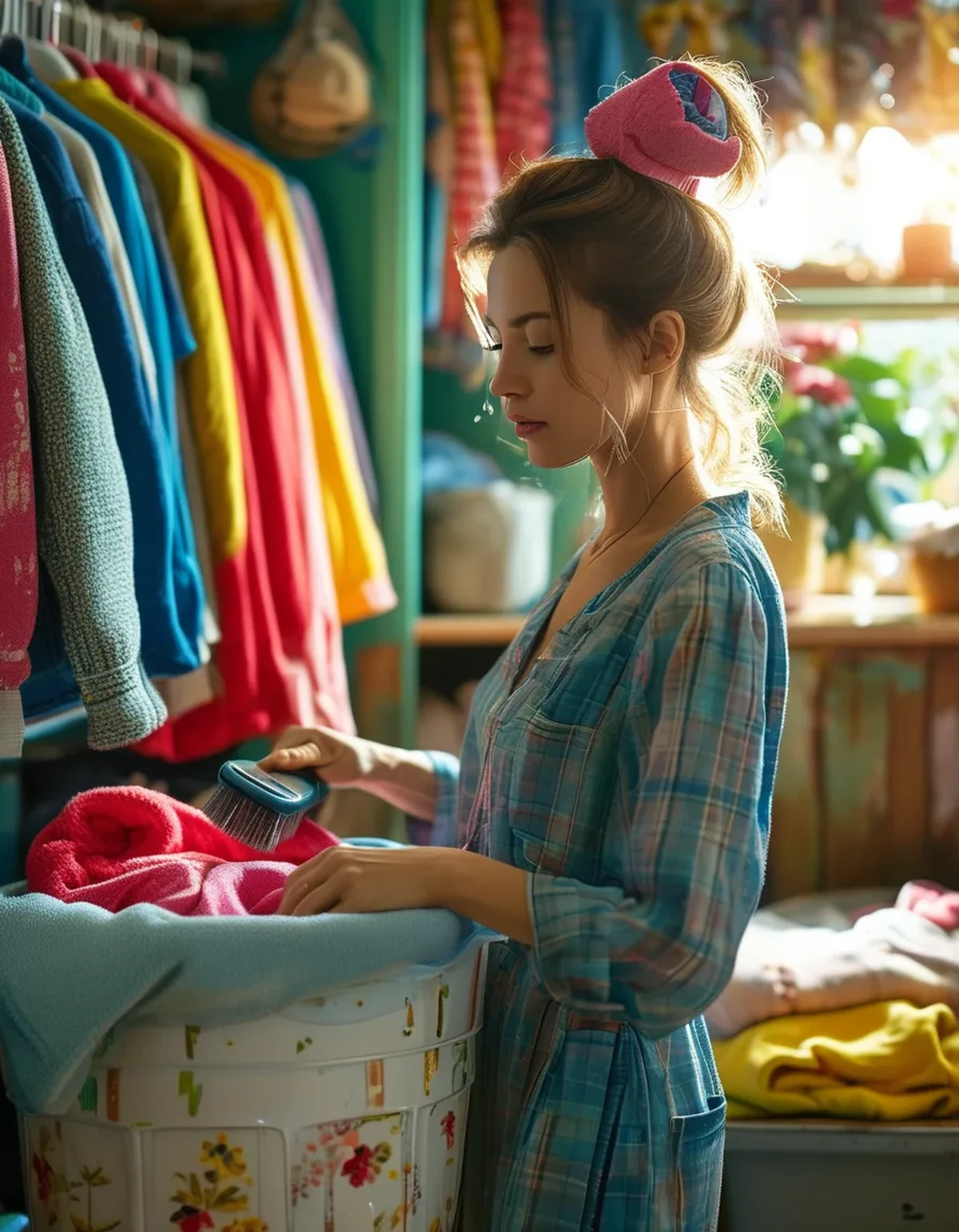
Why does washing make it worse rather than better?
Because a washing machine is a mixing device, not a filter.
Water agitation releases loose hair from fabric, which is the part that works as intended. What happens next is the problem: the released hair circulates freely in the drum and re-attaches to whatever is available.
Most domestic washing machines have no filter capable of capturing hair. The lint filter, where one exists, is designed for larger debris, and pet hair passes through or settles back into the load.
Why some items get it worse than others:
- Synthetic fabrics build static in the drum, and charged fabric attracts hair actively
- Fleece, terry and any brushed surface has a physical structure that traps hair mechanically - the hair works into the loops and does not release
- Anything with a rough or textured weave catches more than a smooth one
Which explains the specific frustration: the fleece you were trying to clean holds onto its own hair, and your smooth cotton shirts pick up what it released.
Wet hair is also stickier than dry hair. A wet drum surface holds hair against it, which is why hair remains in the machine after a cycle and transfers to the next load - including the one with no pet items in it at all.
What actually removes hair before washing?
Three approaches, and the first is much better than people expect.
1. A ten-minute air-only tumble in the dryer, before washing. This is the single most effective technique and it is counterintuitive because it happens before the wash. Tumbling on no heat with a dryer sheet or wool dryer ball loosens hair, and the dryer’s lint trap actually captures it - unlike the washing machine, which has nowhere to put it.
Empty the lint trap afterwards; the amount is usually startling.
2. A lint roller or rubber glove pass. A damp rubber glove drawn across fabric gathers hair remarkably effectively and costs nothing. A rubber-bristled brush works on upholstery and heavier fabrics.
3. A pumice stone or fabric shaver for fabrics where hair is genuinely embedded. Works well on upholstery and heavy knits, and is too aggressive for delicate fabric.
What to do inside the wash:
- Wash pet-heavy items separately. The simplest fix and it removes the transfer problem entirely
- Add half a cup of white vinegar to the rinse. It helps relax fibres and reduce static, which releases hair rather than binding it
- Do not overload. A packed drum reduces water circulation, so hair stays put rather than washing away
- Skip fabric softener, which coats fibres and can make hair cling more
And after washing: wipe out the drum with a damp cloth. Hair left on a wet drum wall transfers directly into the next load.
What about the autumn shedding season specifically?
Volume goes up, so the routine has to change rather than just work harder.
Many double-coated breeds shed heavily in autumn as the coat transitions, and the volume can be several times the summer baseline. A routine that coped in July stops coping in October.
What changes:
- Brushing the animal becomes the highest-value activity by a wide margin. Hair removed with a brush never reaches your clothes or your machine. Daily during a heavy shed is not excessive
- Designated pet-contact clothes. One fleece and one pair of leggings that you wear around the animal and wash together contains most of the problem
- A washing machine cleaning cycle monthly rather than occasionally, since hair accumulates in the drum and seals
Fabric choice matters more in autumn too. Fleece, wool and anything brushed attracts and holds hair far more than smooth tightly woven fabric. A smooth outer layer over a fleece mid layer is a practical answer - the hair lands on the layer that releases it easily.
On static, which peaks at exactly the same time: indoor heating drops humidity, and static makes hair cling more actively. A humidifier reduces both static and hair cling, which is a two-for-one worth knowing about.
And a note on the machine itself: hair accumulates in the door seal, which is the part people never check. Wiping the seal fortnightly during shedding season prevents a slow build-up that transfers hair into every load.
5 Mistakes That Spread Pet Hair Through the Laundry
1. Washing pet-heavy items with everything else. The whole transfer problem in one habit. Separating them costs one extra load and solves it entirely.
2. Skipping the pre-wash dryer tumble. A ten-minute no-heat tumble before washing removes a large amount of hair into a lint trap that can actually hold it. It is the highest-value ten minutes in this whole routine.
3. Overloading the drum. A packed machine restricts water circulation, so released hair has nowhere to go and settles back into the fabric. Smaller loads genuinely wash better during shedding season.
4. Using fabric softener. It coats fibres and can increase clinging, and it works against the static reduction you actually want. White vinegar in the rinse does the useful part without the residue.
5. Not wiping the drum and door seal. Wet hair sticks to drum walls and accumulates in the rubber seal, then transfers into the next load - including loads with no pet items at all. This is the source of most mysterious hair on clean clothes.
A sixth that outweighs all five: not brushing the animal enough. Hair captured by a brush never enters the system. During a heavy autumn shed, daily brushing does more than every laundry technique combined.
FAQ: Pet Hair and Laundry Questions, Answered
Why is there hair on clothes that never touched my pet?
Hair released in a previous wash stays on the wet drum wall and in the door seal, then transfers to the next load. Wiping the drum and seal after pet loads fixes most of it.
Does the dryer really work better than the washing machine?
For hair removal, yes - the dryer has a lint trap that captures it, while the washing machine has nowhere to put it. A ten-minute no-heat tumble before washing is the most effective single step.
Should I use fabric softener to reduce static and clinging?
Better to use white vinegar in the rinse. Softener coats fibres, can increase clinging, and reduces the performance of any technical fabric it touches. Vinegar reduces static without the residue.
What fabrics attract the least hair?
Smooth, tightly woven fabrics - a smooth synthetic shell or a tight cotton weave. Fleece, terry, brushed knits and anything with loops trap hair mechanically and hold onto it through a wash.
How often should I clean the machine during shedding season?
A cleaning cycle monthly, plus wiping the drum and door seal after any pet-heavy load. The seal in particular collects hair invisibly and is the source of a lot of unexplained transfer.
Does a humidifier help with pet hair?
Indirectly and noticeably. Raising indoor humidity reduces static, and static is what makes hair cling actively to clothing. It helps most in the heating season, which is also peak shedding season.
TL;DR:
- Washing redistributes pet hair rather than removing it - the machine has nowhere to put it
- A ten-minute no-heat dryer tumble before washing is the single most effective step, because the lint trap actually captures hair
- Wash pet-heavy items separately; it removes the transfer problem entirely
- White vinegar in the rinse instead of fabric softener - softener makes clinging worse
- Do not overload; packed drums restrict circulation and hair stays put
- Wipe the drum and door seal after pet loads, or hair transfers into the next one
- Brushing the animal beats every laundry technique combined during a heavy shed
Remove the hair before it reaches the water. Everything after that is damage control.
Keep Reading
This article is for general informational and styling purposes only. Fit, sizing, and product availability may vary.