Why the Same Leggings Show Pet Hair in Black and Hide It in Navy
Quick Answer: Pet hair shows in proportion to contrast, and almost every coat contains both a dark topcoat and a much lighter undercoat - which is why black shows the pale undercoat and cream shows the dark guard hairs. Mid-tones like charcoal, heathered grey, navy, and anything with visible fleck or marl hide the widest range because they contrast poorly with both. Texture matters as much as colour: smooth, dense knits release hair, while brushed, fleecy, and ribbed surfaces grip it regardless of shade.
You own the same leggings in two colours. One of them is a lint roller’s full-time job and the other one somehow is not.
It is not a fabric difference. It is what is coming off your dog.

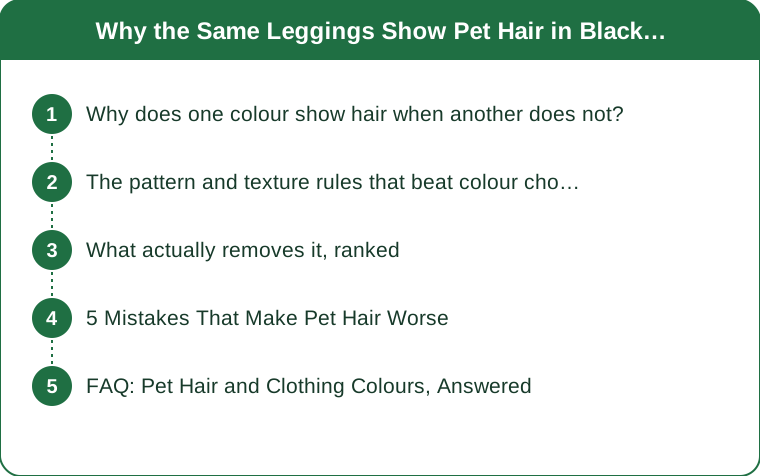
Why does one colour show hair when another does not?
Visibility is contrast, and nothing else. A hair the same tone as the fabric is effectively invisible at arm’s length no matter how much of it there is.
Almost no coat is one colour. Double-coated breeds shed a soft, pale undercoat and a coarser, darker topcoat, and they shed them in different proportions at different times of year.
Late summer into autumn is heavy undercoat season, which is why black clothing suddenly looks worse in September than it did in July. The proportion of pale hair coming off your pet went up.
Black is the worst single choice for most double-coated dogs and cats, because the undercoat is nearly always lighter than the topcoat and it is the fraction that sheds most.
Cream and white are the worst choice for a lighter animal with dark guard hairs, for the identical reason in reverse.
Mid-tones win because they lose to both. Charcoal, mid grey, navy, olive, and heathered brown contrast weakly with pale undercoat and weakly with dark topcoat, so neither reads clearly at conversational distance.
The pattern and texture rules that beat colour choice
Fleck, marl, and heather beat every solid colour. A fabric with visible tonal variation gives the eye no clean field to detect a stray hair against, and a heathered charcoal outperforms a solid charcoal noticeably.
Small-scale prints work the same way, which is why a subtly patterned legging can carry a full day around a shedding dog without looking like it.
Texture determines how much hair sticks in the first place. Smooth, tightly knitted, dense surfaces give hair nothing to hook into. Brushed fleece, ribbing, waffle, and boucle are mechanical hair traps.
This is why the inside of a garment matters. A brushed-back legging feels lovely and collects fur at the ankle and waistband where the pile is exposed.
Static is the multiplier. Dry autumn air charges synthetic fabric, and charged fabric actively pulls hair toward it rather than passively collecting it. Fabric softener, a dryer sheet, or a light mist of water on the garment reduces this substantially.
Fibre content matters less than people assume, with one exception: fabrics that hold a static charge easily - many polyester and acrylic blends - attract more than cotton or wool in dry conditions.

What actually removes it, ranked
A rubber glove or damp rubber brush beats a lint roller on upholstery and knitwear. Rubber generates friction that lifts embedded hair; adhesive sheets only take what is sitting on the surface.
A damp hand is the fastest field fix. Slightly wet palms wiped in one direction will clear a legging leg in about fifteen seconds, and you already have both hands with you.
A dryer cycle before washing is the highest-yield laundry step. Ten minutes on air or low with a dryer sheet, then clean the lint trap, removes a large share before water is involved.
Washing hairy clothes with other clothes redistributes hair rather than removing it, which is how a black jumper acquires a dog it has never met.
White vinegar in the rinse reduces static and helps hair release in the wash, and it costs almost nothing.
Lint rollers are still the best tool for one visible hair on a garment you are already wearing, which is a genuinely common situation and not something a rubber brush handles gracefully.
And the highest-leverage step is upstream: brushing your pet outdoors for five minutes during heavy shedding season removes more hair from your clothes than any of the above, because it never reaches them.
5 Mistakes That Make Pet Hair Worse
Mistake 1: Buying activewear in black by default. For a double-coated pet, black is the highest-contrast option against the undercoat that sheds most. Charcoal costs the same and shows a fraction as much.
Mistake 2: Choosing brushed-back fleece for autumn. It is warm, it is soft, and the exposed pile grips hair so effectively that no amount of rolling clears it properly.
Mistake 3: Washing pet-hair clothes with everything else. Hair released in the drum transfers to whatever else is in there. Wash the hairy load separately and tumble it first.
Mistake 4: Skipping fabric softener or vinegar in dry weather. Static is what turns passive hair collection into active attraction, and it starts the week the heating comes on.
Mistake 5: Rolling before removing static. A charged garment re-attracts hair within minutes. Reduce the charge first - a light water mist or an anti-static spray - then remove the hair, and it stays gone.
The one that surprises people is the fifth. Everyone has had the experience of rolling a garment perfectly and finding it covered again by the time they reached the car.
FAQ: Pet Hair and Clothing Colours, Answered
What colour clothing hides dog hair best?
Mid-tones with visible texture - heathered charcoal, mid grey, navy, and olive. They contrast poorly with both pale undercoat and dark guard hairs, so neither shows clearly.
Why does black show so much hair from a black dog?
Because the hair you are seeing is not the topcoat. Double-coated animals shed a much lighter undercoat, and that pale fraction is what sheds most heavily in late summer and autumn.
Does fabric type matter more than colour?
For how much hair sticks, yes. Smooth dense knits release hair easily; brushed fleece, ribbing, and waffle textures grip it regardless of colour. Colour determines whether you see it.
What removes pet hair from clothes best?
A rubber glove or damp rubber brush for embedded hair, damp hands for a fast fix, and a ten-minute low-heat dryer cycle before washing. Lint rollers only lift surface hair.
Why is it suddenly worse in autumn?
Seasonal undercoat shedding increases, and dry indoor air raises static so fabric actively attracts hair. Both start around the same few weeks, which is why it feels sudden.
TL;DR:
- Hair shows in proportion to contrast, and most coats shed a pale undercoat that black clothing displays perfectly.
- Mid-tones with fleck or heather - charcoal, navy, olive, marl grey - hide both light and dark hair.
- Texture decides how much sticks: smooth dense knits release it, brushed fleece and ribbing trap it.
- Static is the multiplier; reduce the charge before you remove the hair or it returns within minutes.
- Tumble hairy clothes on low for ten minutes before washing, and wash them separately.
Five minutes of brushing outdoors beats every removal tool you own.
See It in Motion
Seen here: High Waist Yoga Leggings with Inner Pocket — shop it on bubblelime.com
Keep Reading
This article is for general informational and styling purposes only. Fit, sizing, and product availability may vary.