Why Your Dog Is Suddenly Full of Energy in the Evenings Again
Quick Answer: Dogs suppress activity in summer heat and rebound as soon as evening temperatures drop, usually in the last two weeks of August. What looks like a behaviour change is a return to their normal baseline after three months of heat-limited activity. Expect more energy, more evening restlessness, and a genuine need for longer walks — and increase exercise gradually rather than all at once.
If your calm summer dog has become a different animal in the evenings, this is almost certainly why.
Why does cooler weather change behaviour so quickly?
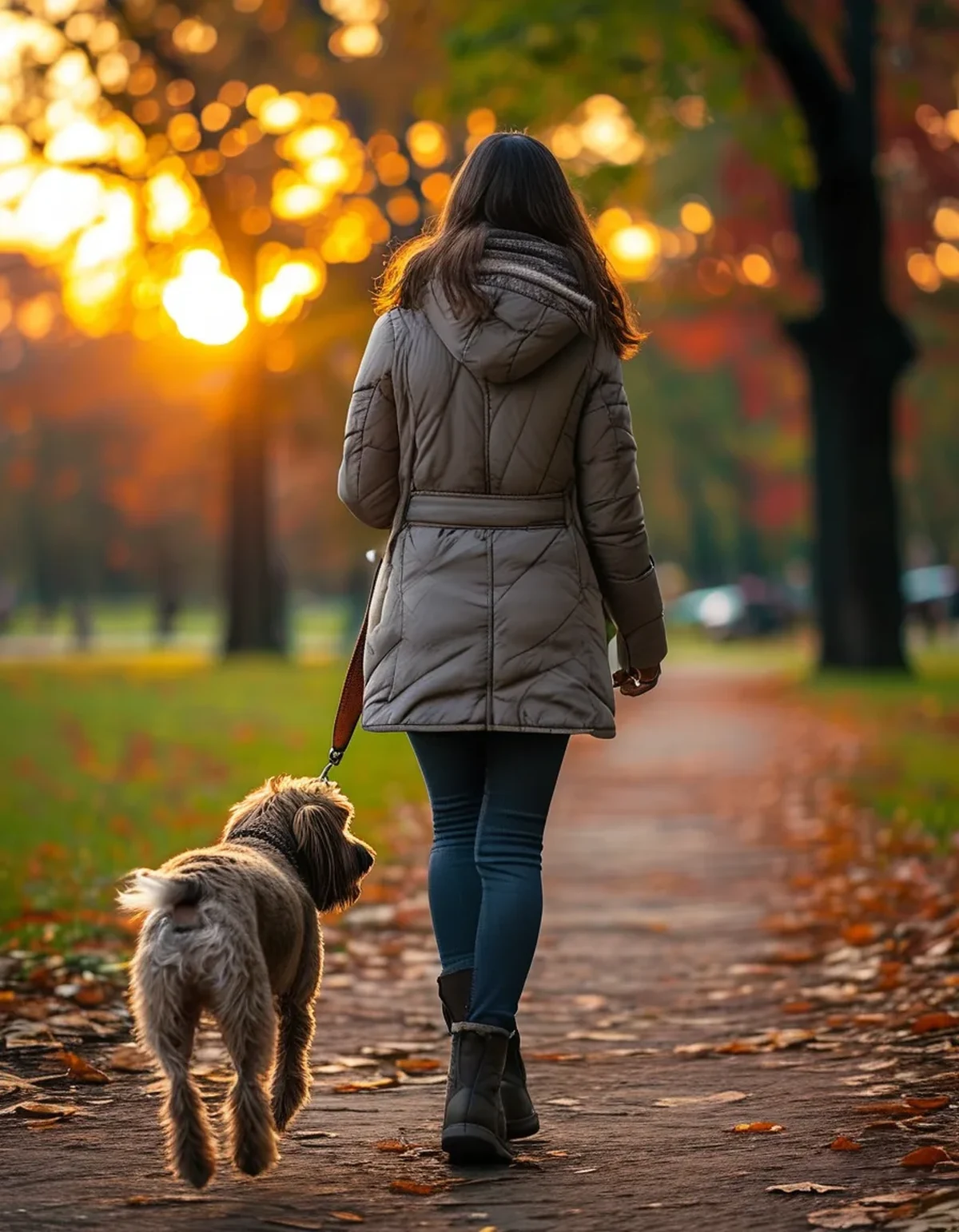
Dogs cool inefficiently. Panting is the primary mechanism and it is far less effective than sweating. In warm weather, activity is genuinely limited by heat dissipation rather than by willingness.
The threshold is lower than most owners think. Many dogs meaningfully reduce voluntary activity above about 20C, and substantially above 25C. A 17C September evening is a completely different proposition to a 24C August one.
Coated breeds feel it first. A dog with a dense double coat has been managing a significant thermal load all summer. The relief when evening temperatures drop is proportionally larger, which is why fluffy breeds show the most dramatic September change.
Daylight timing also shifts walks. Evening walks that happened at 8pm in bright warm light now happen at 7pm in cooler, dimmer conditions — and dogs are more alert and more reactive in low light, which adds to the impression of increased energy.
Is the extra energy a problem?
Usually it is a signal that summer exercise was below baseline. Three months of shortened walks builds a deficit, and the rebound is that deficit expressing itself.
But the fitness has dropped too. A dog that has walked 30 minutes a day instead of 60 for a whole summer has lost conditioning, particularly in the paw pads, which soften without regular surface contact.
Increase gradually — about 10-15% per week. Going straight from summer walks to full autumn walks in one weekend is the most common cause of September limping, and paw pad abrasion is the usual culprit.
Watch for stiffness in older dogs. Cooler weather plus a sudden activity increase is a reliable way to reveal joint issues that were masked by a quiet summer. A dog that is slow to rise in the mornings needs a vet conversation, not just a longer walk.
Mental work counts. A significant portion of the evening restlessness is under-stimulation rather than under-exercise. Fifteen minutes of scentwork or training genuinely tires a dog in a way another kilometre does not.
What nobody tells you about the autumn transition
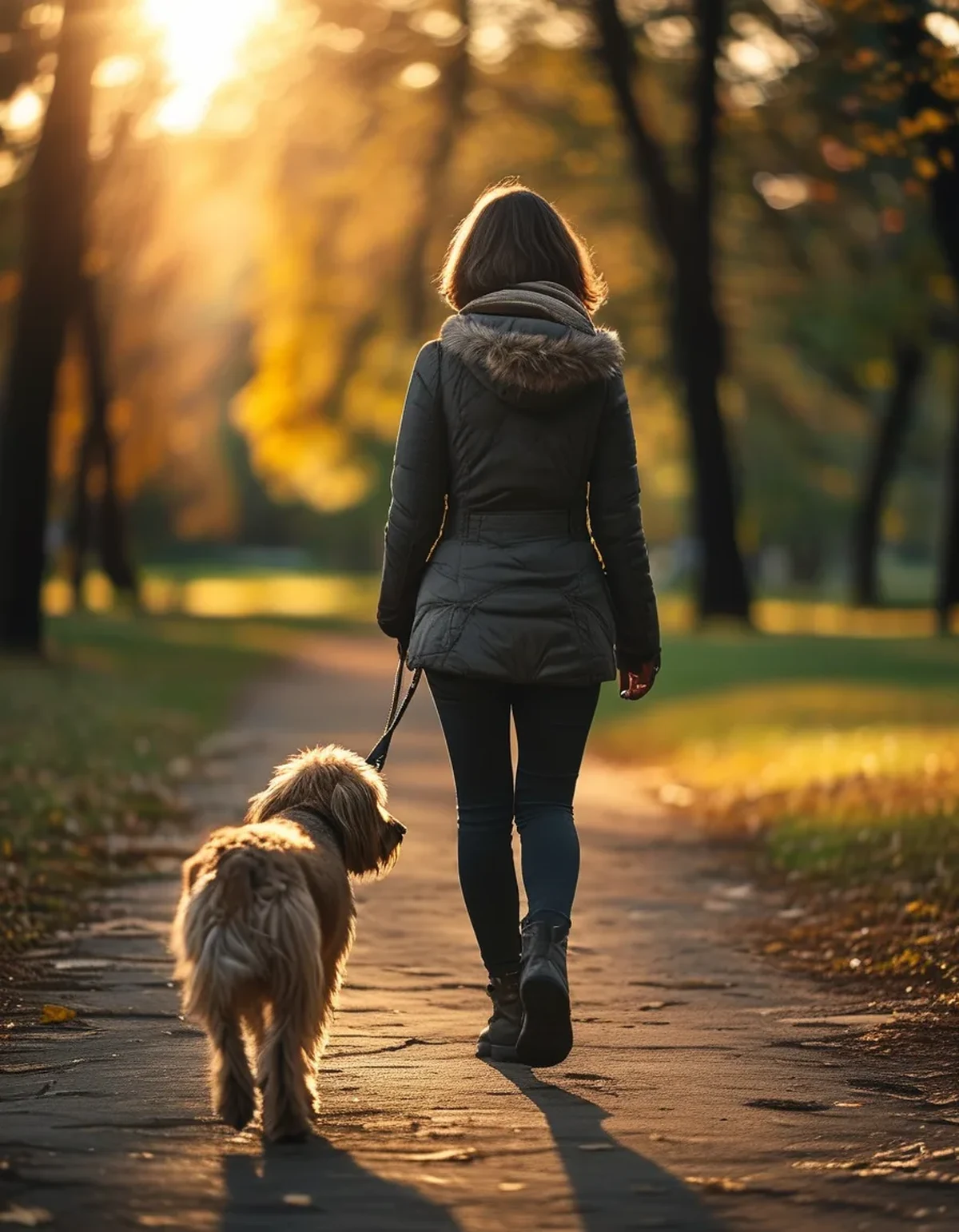
Shedding peaks right now, and it is triggered by daylight rather than temperature. The coat change responds to shortening day length, which is why it begins while the weather is still warm. Expect the heaviest shed of the year in the next few weeks.
Appetite goes up. Cooler weather increases energy expenditure on thermoregulation and dogs typically eat more from September. Slightly more food is normal; noticeably more thirst is worth mentioning to a vet.
Recall gets worse in autumn. More wildlife activity, more interesting smells in decaying leaf litter, and better scent conditions in cool damp air all make the environment more compelling. This is not your dog forgetting training.
Reflective gear becomes necessary sooner than people plan for. By mid-September, an evening walk that started in daylight finishes in dusk.
Ticks are still active. The assumption that tick season ends with summer is wrong — autumn is a second peak in many regions, and cooler damp weather suits them well.
And the one that catches most owners: the restlessness usually settles within about three weeks once the exercise level catches up. Most people conclude their dog has developed a behaviour problem roughly a fortnight before it resolves on its own.
FAQ: Autumn Dog Energy Questions, Answered
How much should I increase walks by?
About 10-15% a week in duration. If summer walks were 30 minutes, aim for around 35 next week rather than jumping to 60.
My dog is destroying things in the evening. Is that related?
Often yes — evening destructive behaviour in September is frequently unspent energy meeting a lower heat ceiling. Try adding a fifteen-minute training or scentwork session before the evening you find hardest, and see whether it changes within a week.
Should I change food for autumn?
Most dogs need slightly more calories as temperatures drop, particularly if activity is increasing. Adjust by roughly 10% and monitor body condition rather than switching foods. Any sudden large appetite change should be checked with a vet. This is general information, not veterinary advice.
TL;DR:
- Summer heat suppresses activity; the late-August cooldown releases it, which reads as a personality change.
- Coated breeds show the biggest swing because they carried the biggest thermal load.
- Increase walks by 10-15% a week — paw pads have softened over a quiet summer.
- Expect heavy shedding (triggered by daylight, not temperature), a bigger appetite, and worse recall.
- Restlessness usually settles within three weeks once exercise catches up.
Nothing has gone wrong with your dog. Summer was the exception and this is the return to normal.
Keep Reading
This article is for general informational and styling purposes only. Fit, sizing, and product availability may vary.